
How climate change fuels deadly kala-azar spread in dry regions


As a section of populations in arid and semi arid counties bear the brunt of kala-azar disease (visceral leishmaniasis) which affects internal organs such as the liver, sometimes with fatal consequences, scientific studies have shown that climate change plays a significant role on how the disease is spread. Research has shown that vulnerable populations in 11 counties in the country, all found in the arid and semi arid climatic zones, run the risk of kala-azar.
Currently, visceral leishmaniasis is endemic in Baringo, Isiolo, Marsabit, West Pokot and Turkana. Other affected counties are Kitui, Garissa, Mandera and Wajir. Approximately 1,500 cases of Kala-azar are reported annually in these dry and humid regions, with more than five million people being at the risk of contracting the disease, according to the Ministry of Health.
Experts have established that temperature increase favors sand fly breeding and activity. Sand flies transmit the disease through their bites, which the World Health Organization (WHO) considers a neglected yet threatening tropical disease, receiving little attention and funding for control.

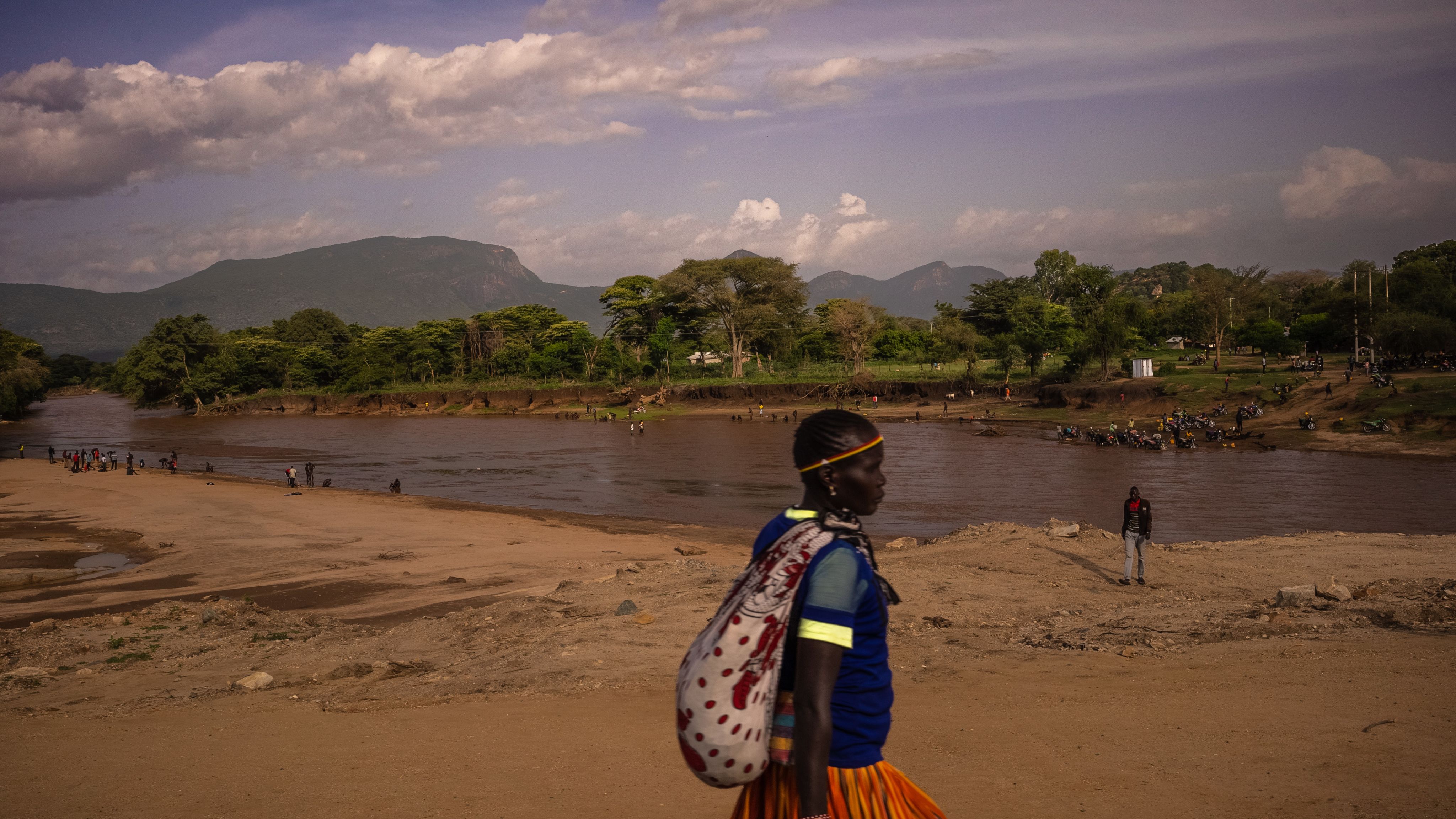
The Ministry of Health has observed that Kala-azar incidences surge during the dry season and after rains, remaining low in cold weather. Northern and Eastern Kenya are vulnerable to changes in temperature and rainfall patterns. These areas provide favorable conditions for sand fly vectors and animal reservoirs carrying the Leishmania parasite.
Warmer temperatures and increased humidity create an environment for sand flies, increasing kala-azar transmission in endemic regions. Seasonal flooding also moves sand fly larvae to new areas, expanding the risk of transmission. David Soi, the Chief Officer for Environment and Forestry at Kitui county government where the department of climate change is domiciled says that the surge in kala-azar incidences coincide with dry season and just after rains when the humidity is high.
“Increase in temperature and reduced precipitation is associated with increased reported kala-zar cases,” he says. As some of the intervention measures to eradicate sand flies and combat the transmission of kala-azar, the officer states that the county government has embarked on tree growing exercises to increase forest cover especially in the affected areas of Tseikuru and Ngomeni to create a cooler environment which does not favor the sand flies to thrive. “Drought and desertification create humid conditions that make sand flies thrive. Every effort should be made to address these, especially in arid and semi arid counties,” Soi explains, saying public awareness campaigns are also going on. The Northern parts of Kitui County as well as Garissa county have in the recent past reported a spike in kala-azar incidences with new evidence


AT A GLANCE - Kala-azar is a life threatening tropical disease caused by Leishmania parasites which are transmitted by bites from sand flies. - According to WHO, Eastern Africa is considered to be contributing second most highest number of visceral leishmaniasis in the world. - There’s no effective vaccine against kala-azar, populations in endemic zones are advised to clear grasslands near homes and use insecticides to control the sand fly population. - Regular monitoring of sand fly populations is crucial to identify early outbreaks. - Adaptation strategies should focus on the development of climate-resilient public health infrastructure, community sensitization and early warning systems. also attributing the disease transmission to the movement of livestock, especially camels from endemic zones to new areas in search of pasture. According to the United States Centres for Disease Control and Prevention (CDC), camels in areas where kala-azar is endemic serve as hosts for the leishmania parasite, and therefore, exacerbate the spread and impact of the tropical neglected disease. “Sand flies feeding on the blood of infected camels would ingest the leishmania parasite, and in turn transmit the parasite to humans or other animals through subsequent bites,” notes a report published by CDC. Seasonally, pastoralists from Wajir, Garissa, and Tana River relocate to Kitui County with their animals, mostly camels, in search of pasture and water during droughts. This movement from kala-azar endemic zones explains the increased cases recently reported in Tseikuru, Ngomeni, and Mandongoi in Kitui County. “The concentration of leishmania hosts in one place puts humans at risk of contracting the disease, particularly where sand flies are established,” the CDC report explains. Soi, the county officer, says rising temperatures may extend the active season for sand flies, increasing disease transmission.
 Built with Shorthand